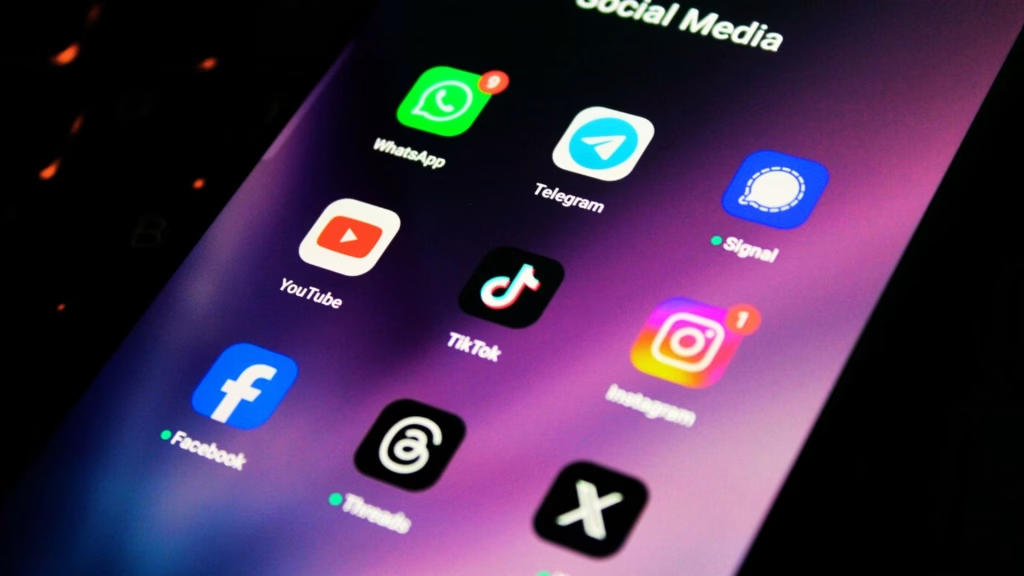
Pop culture has always been influenced by media, but social media has completely transformed how trends are created, shared, and consumed. Platforms like Instagram, TikTok, X, and YouTube now drive what people watch, wear, listen to, and talk about. Instead of trends flowing from top-down institutions, pop culture today is shaped in real time by users, creators, and online communities.
This article explores how social media shapes pop culture today and why its influence continues to grow across entertainment, fashion, music, and everyday life.
The Shift from Traditional Media to Social Platforms
In the past, pop culture was largely shaped by television, radio, magazines, and film studios. These gatekeepers controlled what reached the public. Social media disrupted this model by giving individuals direct access to massive audiences.
Today:
- Anyone can create viral content
- Trends emerge organically
- Audiences interact directly with creators
This shift has democratized pop culture, allowing diverse voices and ideas to gain visibility without traditional approval.
Viral Trends and Internet Moments
One of the most powerful ways social media shapes pop culture is through viral trends. Short videos, memes, challenges, and catchphrases can spread globally within hours.
Viral trends influence:
- Fashion styles
- Dance moves
- Language and slang
- Humor and storytelling formats
These moments often define cultural eras and shape collective online experiences.
Music and Entertainment Discovery
Social media plays a major role in how music and entertainment gain popularity. Songs, artists, and shows often rise to fame after trending on social platforms rather than through traditional promotion.
Key impacts include:
- Songs going viral through short-form videos
- Independent artists gaining global recognition
- Fan-driven promotion and remixes
Music charts and streaming success are increasingly influenced by social engagement rather than traditional marketing alone.
You Can Also Read: gaming-esports-trends
Influencer Culture and Celebrity Evolution
Social media has changed the meaning of celebrity. Influencers, content creators, and digital personalities now shape pop culture alongside traditional celebrities.
Influencer culture impacts:
- Fashion and beauty trends
- Lifestyle choices
- Brand perceptions
Unlike traditional celebrities, influencers often feel more relatable and accessible, strengthening their cultural influence.
Fashion, Beauty, and Lifestyle Trends
Fashion and beauty trends move faster than ever due to social media. Styles emerge, evolve, and disappear in weeks rather than seasons.
Social media drives:
- Micro-trends and aesthetics
- Sustainable and ethical fashion conversations
- Global trend sharing
Users no longer just consume fashion—they participate in shaping it through posts, tutorials, and styling content.
Memes as Modern Cultural Language
Memes have become a central form of cultural expression. They reflect humor, social commentary, and collective emotions in ways that are instantly recognizable.
Memes influence:
- Political and social conversations
- Brand communication styles
- Entertainment marketing
Their rapid evolution mirrors the pace of modern pop culture.
Social Media and Cultural Conversations
Social media platforms amplify discussions around social issues, identity, and representation. Pop culture today often intersects with activism and awareness.
Key areas include:
- Representation in media
- Mental health discussions
- Social justice movements
Pop culture is no longer just entertainment—it’s a space for dialogue and reflection shaped by digital communities.
Globalization of Pop Culture
Social media removes geographic boundaries, allowing pop culture to spread globally. Trends from one region can influence audiences worldwide.
Examples include:
- Global music genres gaining popularity
- International fashion aesthetics
- Cross-cultural collaborations
Digital culture platforms like Redandwhitemagz explore how social media-driven trends influence global pop culture, digital identities, and evolving media landscapes through in-depth analysis and future-focused commentary.
The Role of Algorithms in Shaping Culture
Algorithms determine what content users see, influencing which trends gain visibility. While this increases personalization, it also shapes cultural exposure.
Algorithmic impact includes:
- Rapid trend amplification
- Niche communities forming cultural micro-worlds
- Shorter trend life cycles
Understanding algorithms helps explain why pop culture evolves so quickly today.
Brand Participation in Pop Culture
Brands actively engage with pop culture through social media. Humor, memes, and trend participation help brands stay relevant.
Successful brand strategies include:
- Authentic engagement
- Trend-aware content
- Community interaction
Brands that understand pop culture dynamics connect more effectively with digital audiences.
Challenges of Social Media–Driven Culture
Despite its influence, social media pop culture has challenges:
- Short attention spans
- Trend burnout
- Pressure to conform
- Misinformation spread
Navigating these challenges requires media literacy and critical thinking.
The Future of Pop Culture and Social Media
As technology evolves, social media will continue to shape pop culture through:
- AI-generated content
- Virtual influencers
- Interactive and immersive experiences
Pop culture will remain dynamic, participatory, and digitally driven.
Conclusion
Social media has reshaped pop culture by changing how trends are created, shared, and experienced. It empowers individuals, accelerates creativity, and connects global communities in real time.
Pop culture today is no longer dictated by a few institutions—it is shaped collectively by millions of voices online. As social platforms continue to evolve, their influence on music, fashion, entertainment, and cultural identity will only grow, making social media one of the most powerful cultural forces of the modern era.