The entertainment industry is experiencing one of its biggest transformations in history. Streaming platforms have fundamentally changed how audiences consume content, leading to a steady decline in traditional television viewership. What was once dominated by cable schedules and broadcast networks is now shaped by on-demand, personalized, and digital-first viewing experiences.
This article explores the rise of streaming and explains why traditional TV is changing in response to shifting technology, consumer behavior, and content delivery models.
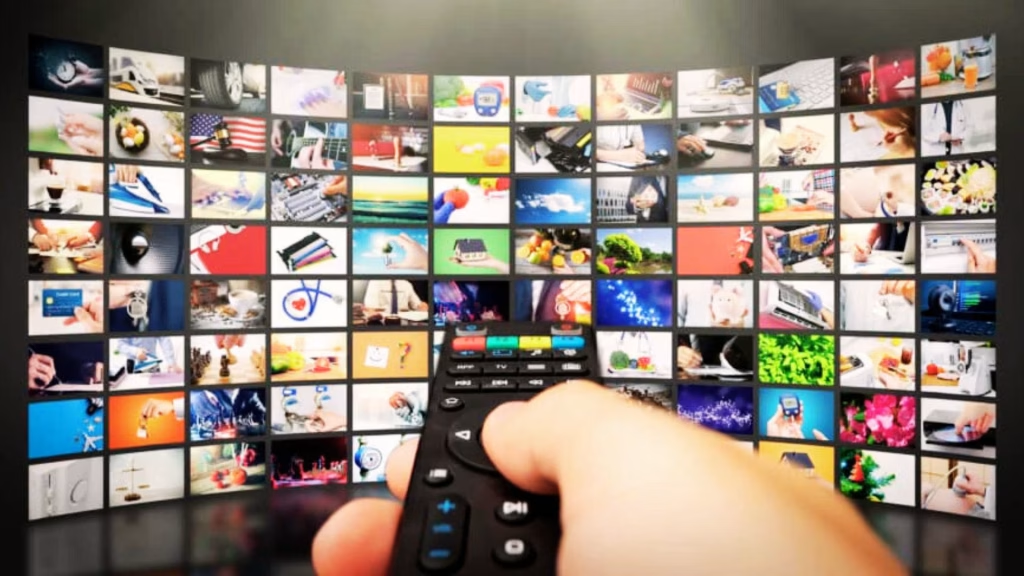
The Shift in How Audiences Watch Content
Traditional television relied on fixed schedules, limited channels, and geographic restrictions. Viewers had to adjust their routines around programming times, commercials, and network availability.
Streaming platforms changed this dynamic by offering:
- On-demand viewing
- Anytime, anywhere access
- Multi-device compatibility
- Personalized content recommendations
Audiences now expect flexibility and control, making scheduled television less appealing.
Convenience and On-Demand Culture
One of the biggest reasons for the rise of streaming is convenience. Streaming allows viewers to watch what they want, when they want, without waiting for scheduled broadcasts.
Key advantages include:
- No fixed time slots
- Pause, rewind, and resume features
- Binge-watching entire seasons
- Minimal or optional advertising
This on-demand culture aligns with modern lifestyles, where convenience is a top priority.
Personalization Through Data and Algorithms
Streaming platforms use data and artificial intelligence to personalize content for each user. Viewing history, preferences, and behavior influence recommendations.
This personalization:
- Improves content discovery
- Increases viewer engagement
- Reduces time spent searching for shows
Traditional TV lacks this level of customization, making it harder to compete with tailored streaming experiences.
Changing Content Creation and Storytelling
Streaming platforms have reshaped how content is produced and distributed. Without strict time slots or advertiser-driven formats, creators enjoy more freedom.
This has led to:
- Diverse storytelling
- Flexible episode lengths
- Niche content for specific audiences
- Increased global representation
Streaming encourages innovation, while traditional TV often follows rigid formats.
Cost and Subscription Flexibility
Cable and satellite TV packages are often expensive and include channels viewers rarely watch. Streaming services offer flexible subscription models that allow users to pay only for the content they want.
Benefits include:
- Lower monthly costs
- No long-term contracts
- Ability to cancel anytime
- Choice between multiple platforms
This cost transparency has made streaming especially appealing to younger audiences.
The Role of Mobile Devices and Smart TVs
The rise of smartphones, tablets, and smart TVs has accelerated streaming adoption. Viewers are no longer tied to living room televisions.
Streaming supports:
- Mobile viewing on the go
- Multi-screen experiences
- Seamless switching between devices
This flexibility fits modern digital habits far better than traditional TV setups.
Decline of Cable Subscriptions
As streaming grows, cable subscriptions continue to decline. Many households are “cutting the cord” in favor of internet-based entertainment.
Reasons include:
- Rising cable costs
- Limited content control
- Excessive advertising
- Better alternatives through streaming
Traditional TV networks are responding by launching their own streaming platforms to stay relevant.
Global Reach and Cultural Impact
Streaming platforms allow content to reach global audiences instantly. Shows and films from different countries can become worldwide hits.
This global access:
- Encourages cultural exchange
- Expands international content visibility
- Builds shared global entertainment experiences
Digital media platforms like Redandwhitemagz explore how streaming trends are reshaping global entertainment, media consumption, and digital culture through in-depth analysis and future-focused perspectives.
Advertising and Revenue Model Changes
Traditional TV relies heavily on advertising revenue, often interrupting viewing experiences. Streaming platforms experiment with subscription-based, ad-supported, and hybrid models.
These models offer:
- Fewer interruptions
- Targeted advertising
- Better viewer experience
Advertisers are also shifting budgets toward digital platforms where audiences are more engaged.
Challenges Facing Streaming Platforms
Despite their success, streaming platforms face challenges such as:
- Market saturation
- Subscription fatigue
- Rising content production costs
- Competition for viewer attention
These challenges are driving innovation and consolidation within the industry.
How Traditional TV Is Adapting
Traditional TV is not disappearing—it is evolving. Networks are:
- Launching streaming services
- Offering on-demand content
- Adopting digital advertising strategies
- Producing streaming-exclusive shows
The future of television is increasingly hybrid, blending broadcast and digital formats.
The Future of Entertainment Consumption
The rise of streaming reflects broader digital transformation trends. Future entertainment experiences may include:
- Interactive storytelling
- Live streaming integration
- Personalized viewing journeys
- Greater audience participation
Streaming will continue to influence how stories are told and consumed.
Conclusion
The rise of streaming has changed the entertainment landscape by prioritizing flexibility, personalization, and convenience. Traditional TV is adapting as audiences demand more control over what, when, and how they watch content.
This shift is not just about technology—it’s about changing lifestyles and expectations. As streaming platforms continue to innovate, they will shape the future of entertainment, while traditional TV evolves to remain relevant in a digital-first world.