Smart home technology has moved from luxury to everyday convenience. Devices that once felt futuristic are now affordable, user-friendly, and widely adopted. From voice assistants to intelligent security systems, smart home devices are designed to save time, reduce effort, and improve comfort. As modern lifestyles become busier, these technologies help simplify daily routines and create more efficient living environments.
This article explores smart home devices that make life easier and explains how they improve convenience, safety, and energy efficiency in everyday life.
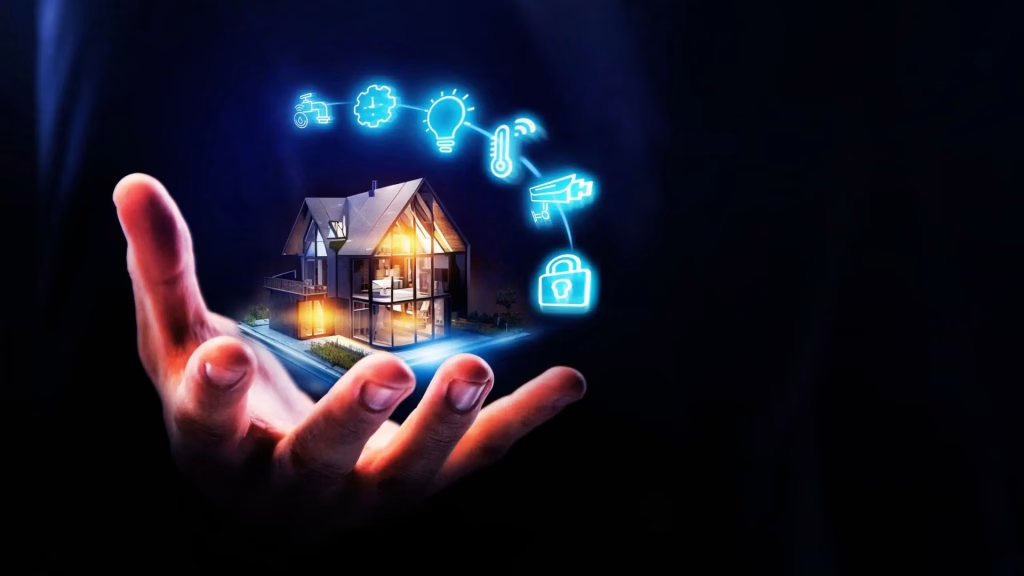
What Are Smart Home Devices?
Smart home devices are internet-connected products that automate or enhance household functions. They can be controlled remotely through smartphones, voice commands, or automated schedules.
Common features include:
- Remote access and monitoring
- Automation and scheduling
- Voice control integration
- Energy usage tracking
Smart devices work together to create connected, responsive homes.
Smart Voice Assistants: The Control Hub
Voice assistants are often the starting point for smart homes. Devices like smart speakers allow hands-free control of multiple functions.
How They Help
- Control lights, thermostats, and appliances
- Set reminders and timers
- Provide weather and traffic updates
- Answer questions instantly
Voice assistants act as central hubs, simplifying interactions with other smart devices.
Smart Lighting for Convenience and Efficiency
Smart lighting systems allow users to control brightness, color, and timing effortlessly.
Benefits include:
- Turning lights on or off remotely
- Scheduling lighting routines
- Reducing electricity usage
- Enhancing home ambiance
Motion-activated and automated lighting also improves safety and energy efficiency.
Smart Thermostats for Comfort and Savings
Smart thermostats learn user preferences and adjust heating or cooling automatically.
Advantages include:
- Optimized temperature control
- Reduced energy waste
- Lower utility bills
- Remote access through apps
These devices improve comfort while supporting eco-friendly living.
Smart Security Systems for Peace of Mind
Home security is one of the most valuable applications of smart technology.
Smart security features include:
- Video doorbells
- Motion sensors
- Smart locks
- Real-time alerts
These systems allow homeowners to monitor and secure their homes from anywhere, increasing safety and confidence.
Smart Plugs and Power Management
Smart plugs turn ordinary devices into smart ones by enabling remote control and automation.
How smart plugs help:
- Turn devices on or off remotely
- Schedule appliance usage
- Reduce standby power consumption
They are affordable and easy entry points into smart home automation.
You Can Also Read: low-maintenance-indoor-plants
Smart Home Appliances
Smart appliances improve efficiency and convenience in everyday chores.
Examples include:
- Smart refrigerators with inventory tracking
- Smart washing machines with remote monitoring
- Smart ovens with app-based controls
These appliances save time and help manage household tasks more effectively.
Smart Cleaning Devices
Robotic cleaning devices have transformed household maintenance.
Popular options include:
- Robot vacuum cleaners
- Smart mops with scheduling features
They clean floors automatically, freeing up time for more important activities.
Smart Home Entertainment Systems
Entertainment systems have become more integrated and personalized.
Smart entertainment benefits include:
- Voice-controlled TVs and speakers
- Streaming integration across devices
- Multi-room audio systems
Smart systems enhance entertainment experiences with minimal effort.
Smart Home Health and Wellness Devices
Some smart devices focus on improving health and comfort.
Examples include:
- Smart air purifiers
- Smart humidifiers
- Sleep tracking devices
These tools contribute to healthier indoor environments and better daily routines.
Energy Monitoring and Sustainability
Smart energy monitoring devices help track and manage energy consumption.
Benefits include:
- Identifying energy waste
- Reducing utility costs
- Supporting eco-friendly habits
Digital lifestyle and technology platforms like Redandwhitemagz explore how smart home innovations, sustainability, and modern living intersect, helping individuals understand how connected devices can improve daily life while supporting long-term efficiency and responsible technology use.
Automation and Smart Routines
Automation is what truly makes smart homes powerful.
Examples of automation:
- Lights turning off automatically when leaving home
- Thermostat adjusting based on time of day
- Security systems activating at night
Smart routines reduce the need for manual control and increase convenience.
Common Mistakes to Avoid with Smart Home Devices
To get the most from smart technology, avoid:
- Overcomplicating setups
- Ignoring compatibility between devices
- Skipping security updates
- Relying on weak passwords
Thoughtful planning ensures smooth integration and performance.
Choosing the Right Smart Home Devices
Not every home needs every smart device. Choosing the right tools depends on lifestyle and priorities.
Consider:
- Daily routines and pain points
- Budget and scalability
- Ease of use
- Data privacy and security
Starting small allows gradual expansion without overwhelm.
Long-Term Benefits of Smart Home Living
Over time, smart home devices offer:
- Time savings
- Lower energy bills
- Increased safety
- Improved comfort
Smart homes adapt to users, making everyday living more efficient and stress-free.
The Future of Smart Homes
Smart home technology continues to evolve with advancements in artificial intelligence, automation, and connectivity.
Future developments may include:
- Smarter predictive automation
- Improved device interoperability
- Greater focus on sustainability and security
Smart homes will become even more intuitive and personalized.
Conclusion
Smart home devices are transforming everyday living by simplifying tasks, enhancing comfort, and improving security. From voice assistants and smart lighting to automated cleaning and energy management, these technologies make homes more responsive and efficient.
By choosing the right smart devices and integrating them thoughtfully, individuals can create living spaces that adapt to their needs and lifestyles. Smart homes are not about complexity—they’re about convenience, control, and making life easier, one intelligent upgrade at a time.