Indoor plants are one of the easiest ways to improve your living space. They add beauty, improve air quality, and create a calming atmosphere. However, many people avoid plants because they believe plant care is difficult or time-consuming. The good news is that many indoor plants are naturally low-maintenance and perfect for beginners or busy lifestyles.
This guide explains indoor plants 101 by highlighting the best low-maintenance choices and how to care for them with minimal effort.
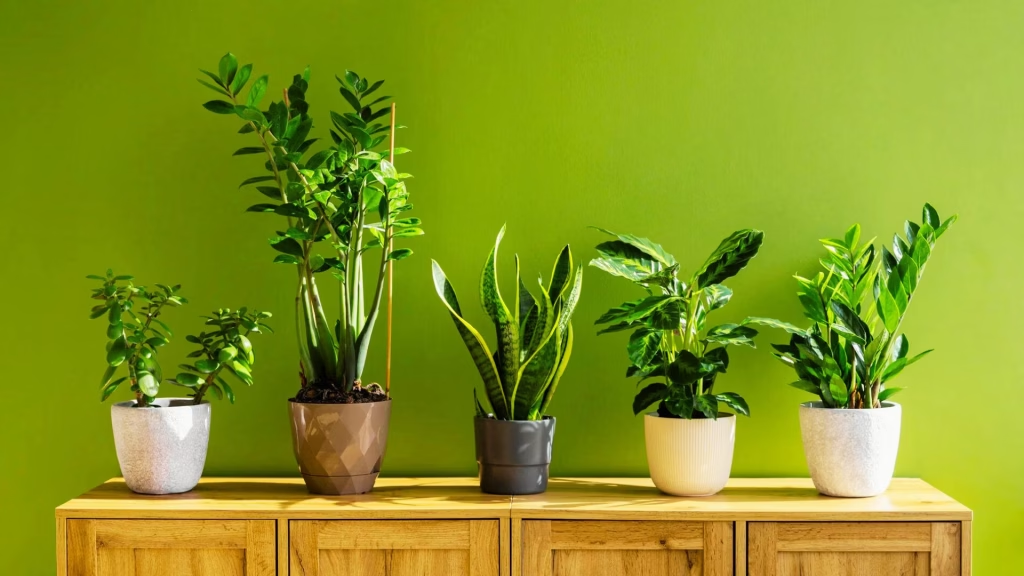
Why Choose Low-Maintenance Indoor Plants?
Low-maintenance plants are ideal for people who want the benefits of greenery without daily care routines. These plants are resilient, adaptable, and forgiving of occasional neglect.
Benefits include:
- Minimal watering needs
- Tolerance to low or indirect light
- Resistance to common plant issues
- Easy long-term care
Low-maintenance plants make indoor gardening accessible to everyone.
Understanding Basic Indoor Plant Needs
Even low-maintenance plants require some basic care. Understanding these fundamentals ensures long-term success.
Light
Most easy-care plants thrive in indirect or low light. Avoid placing them in direct sunlight unless specified.
Water
Overwatering is the most common mistake. Many low-maintenance plants prefer their soil to dry out between waterings.
Air and Space
Indoor plants benefit from good air circulation and enough space to grow without crowding.
Keeping these basics in mind helps plants thrive with minimal effort.
Snake Plant: The Ultimate Beginner Plant
Snake plants are known for their durability and sleek appearance.
Why they’re easy:
- Thrive in low light
- Require infrequent watering
- Improve indoor air quality
Snake plants are ideal for bedrooms, offices, and living rooms.
Pothos: Low Effort, High Impact
Pothos plants are popular for their trailing vines and adaptability.
Benefits include:
- Tolerates various light conditions
- Grows quickly with minimal care
- Easy to propagate
Pothos is perfect for shelves, hanging baskets, and beginners.
ZZ Plant: Built for Neglect
ZZ plants are one of the most forgiving indoor plants available.
Why they’re low-maintenance:
- Thick roots store water
- Tolerate low light
- Rarely affected by pests
They are excellent for busy households or low-light spaces.
Spider Plant: Simple and Resilient
Spider plants are lightweight, adaptable, and easy to care for.
Key advantages:
- Thrive in indirect light
- Easy watering schedule
- Produce “baby” plants naturally
Spider plants are great for shelves and hanging planters.
Peace Lily: Low Care with Visual Appeal
Peace lilies add elegance while remaining relatively easy to maintain.
Care basics:
- Prefer low to medium light
- Show visible signs when thirsty
- Improve indoor air quality
They are ideal for calm, indoor environments.
Succulents: Minimal Water, Maximum Style
Succulents are popular for their modern look and low water needs.
Important tips:
- Use well-draining soil
- Provide bright indirect light
- Water sparingly
Succulents work best for people who prefer occasional care rather than frequent attention.
How to Water Low-Maintenance Plants Properly
Proper watering is the key to plant health.
Simple watering rules:
- Check the soil before watering
- Water thoroughly but infrequently
- Use pots with drainage holes
Less frequent watering is often better than overwatering.
Choosing the Right Pots and Soil
The right containers and soil reduce maintenance.
Best practices:
- Use pots with drainage holes
- Choose a lightweight, well-draining potting mix
- Avoid compact garden soil
Good soil and drainage prevent root rot and stress.
Ideal Placement for Easy-Care Plants
Placement affects plant health significantly.
Placement tips:
- Keep plants away from extreme heat or cold
- Avoid placing near drafts
- Rotate plants occasionally for even growth
Proper placement reduces the need for constant adjustment.
Common Mistakes to Avoid
Even low-maintenance plants can struggle if basic mistakes occur.
Avoid:
- Overwatering
- Placing plants in unsuitable light
- Ignoring drainage
- Over-fertilizing
Simplicity is the best approach.
Indoor Plants and Mental Well-Being
Indoor plants support mental wellness by reducing stress and improving mood. Caring for plants encourages mindfulness and creates a calming environment.
Lifestyle and wellness platforms like Redandwhitemagz explore how indoor living, sustainability, and simple habits—such as keeping low-maintenance plants—support modern well-being and healthier living spaces.
How to Build a Low-Maintenance Indoor Plant Collection
Start small and expand gradually.
A simple approach:
- Begin with one or two plants
- Observe how they respond
- Add more as confidence grows
This builds skill without overwhelm.
Long-Term Benefits of Indoor Plants
Low-maintenance indoor plants provide:
- Improved air quality
- Better mental focus
- Enhanced home aesthetics
- A calming daily presence
Plants create a healthier and more inviting living space.
Conclusion
Indoor plants don’t need to be complicated to be rewarding. By choosing low-maintenance options like snake plants, pothos, ZZ plants, and spider plants, anyone can enjoy the benefits of indoor greenery with minimal effort.
Indoor plants 101 is about simplicity, consistency, and choosing the right plants for your lifestyle. With basic care and thoughtful placement, low-maintenance plants can thrive for years—bringing natural beauty, balance, and calm into everyday life.