Eco-friendly home upgrades are no longer just about helping the environment-they are also a smart financial decision. Modern green improvements reduce energy and water usage, lower utility bills, and increase property value. With rising energy costs and growing environmental awareness, sustainable upgrades offer both immediate savings and long-term benefits.
This article explores practical eco-friendly home upgrades that save money while creating a more efficient, comfortable, and future-ready living space.
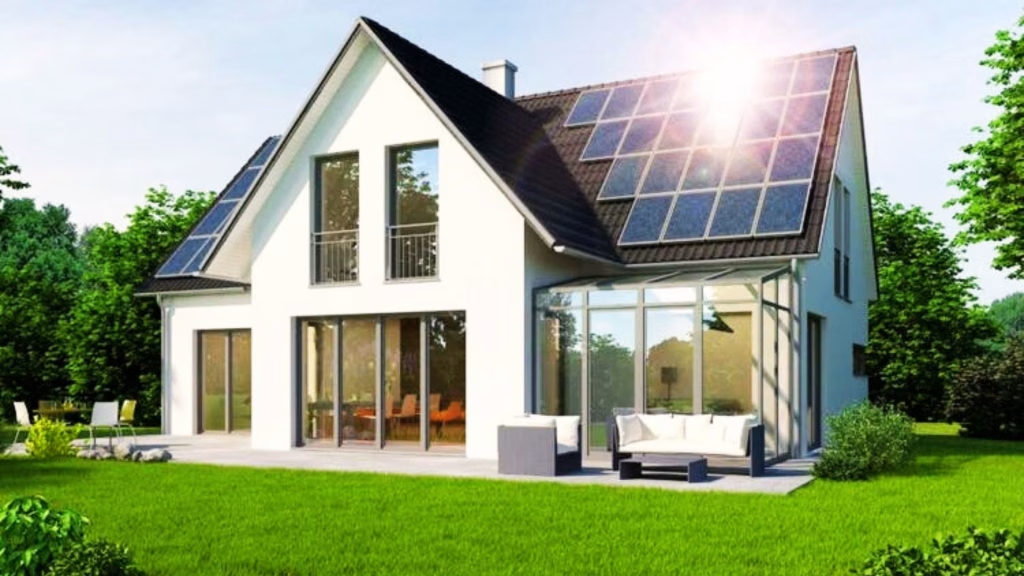
Why Eco-Friendly Upgrades Make Financial Sense
Sustainable home improvements focus on efficiency, using fewer resources to achieve the same or better results. This efficiency directly translates into lower monthly expenses.
Benefits include:
- Reduced energy and water bills
- Lower maintenance costs
- Increased home value
- Improved comfort and air quality
Many upgrades pay for themselves over time through consistent savings.
Upgrade to Energy-Efficient Lighting
One of the easiest and most affordable upgrades is switching to energy-efficient lighting.
Why It Works
LED bulbs use significantly less energy and last much longer than traditional incandescent bulbs.
Savings benefits:
- Lower electricity bills
- Reduced replacement costs
- Less heat generation
This small change can deliver noticeable savings over time.
Improve Home Insulation
Poor insulation allows heat to escape in winter and enter in summer, increasing heating and cooling costs.
Insulation Upgrades Include
- Attic insulation
- Wall and floor insulation
- Sealing gaps and cracks
Proper insulation keeps indoor temperatures stable, reducing reliance on heating and air conditioning.
Install Smart Thermostats
Smart thermostats optimize heating and cooling by learning your habits and adjusting automatically.
Advantages include:
- Reduced energy waste
- Better temperature control
- Lower utility bills
Smart thermostats are one of the fastest eco-upgrades to show financial returns.
Upgrade to Energy-Efficient Appliances
Older appliances often consume more energy than necessary.
Energy-efficient appliances:
- Use less electricity and water
- Lower operating costs
- Offer improved performance
Replacing high-use appliances like refrigerators, washing machines, or dishwashers can significantly reduce monthly bills.
Switch to Low-Flow Water Fixtures
Water-saving fixtures reduce water usage without sacrificing performance.
Examples include:
- Low-flow showerheads
- Water-efficient faucets
- Dual-flush toilets
Lower water consumption leads to reduced water bills and energy savings from heating less water.
Seal Windows and Doors
Air leaks around windows and doors are a major source of energy loss.
Simple sealing upgrades:
- Weather stripping
- Caulking gaps
- Installing door sweeps
These low-cost fixes prevent drafts and improve indoor comfort year-round.
Use Renewable Energy Where Possible
Renewable energy upgrades can significantly reduce long-term costs.
Popular options include:
- Solar panels
- Solar water heaters
- Community solar programs
While initial costs may be higher, renewable energy systems provide long-term savings and protection from rising energy prices.
Energy-Efficient Windows and Treatments
Windows play a key role in energy efficiency.
Eco-friendly window solutions include:
- Double or triple-pane windows
- Energy-efficient window coatings
- Thermal curtains or blinds
These upgrades help maintain indoor temperatures and reduce heating and cooling expenses.
Smart Home Energy Management
Smart home technology helps monitor and control energy usage.
Examples include:
- Smart plugs
- Energy monitoring systems
- Automated lighting controls
Digital lifestyle and sustainability platforms like Redandwhitemagz explore how eco-friendly living, smart technology, and cost-saving home upgrades intersect, helping homeowners make informed decisions that benefit both finances and the environment.
Reduce Maintenance and Repair Costs
Eco-friendly upgrades often improve durability and reduce wear.
Long-term benefits include:
- Fewer breakdowns
- Longer system lifespans
- Lower repair expenses
Sustainable materials and systems are designed for efficiency and longevity.
Increase Home Value with Green Upgrades
Energy-efficient homes are increasingly attractive to buyers.
Eco-friendly upgrades can:
- Boost resale value
- Improve energy ratings
- Appeal to environmentally conscious buyers
Green features are becoming a competitive advantage in real estate markets.
Start Small and Scale Gradually
Not all eco-friendly upgrades need to happen at once.
A practical approach:
- Begin with low-cost upgrades
- Track energy savings
- Reinvest savings into larger improvements
This step-by-step strategy makes sustainability affordable and manageable.
Common Mistakes to Avoid
Avoid these pitfalls:
- Ignoring insulation before upgrading systems
- Choosing upgrades without researching ROI
- Overlooking simple efficiency fixes
Smart planning ensures maximum impact and savings.
Long-Term Benefits of Eco-Friendly Living
Over time, sustainable upgrades provide:
- Consistent cost savings
- Reduced environmental footprint
- Improved indoor comfort
- Greater energy independence
Eco-friendly living supports both financial and environmental well-being.
Conclusion
Eco-friendly home upgrades that save money prove that sustainability and affordability go hand in hand. From energy-efficient lighting and insulation to smart technology and renewable energy, green improvements reduce costs while enhancing comfort and value.
By starting with simple upgrades and building over time, homeowners can create efficient, cost-effective living spaces that benefit both their wallets and the planet. Sustainable choices today lead to long-term savings and a more resilient home for the future.