Inflation is a word often mentioned in news headlines, but many people find it confusing or intimidating. In reality, inflation is a simple concept that affects everyday life, from grocery bills to rent, fuel, and savings. Understanding inflation helps you make smarter financial decisions and protect your money over time.
This article explains inflation in simple terms, how it impacts your money, and what you can do to manage its effects without needing an economics background.
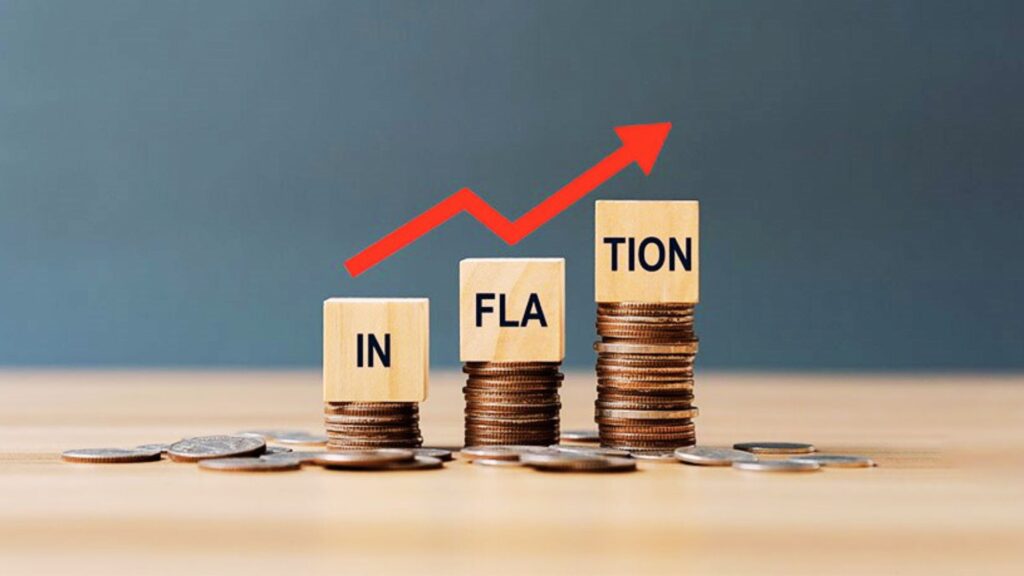
What Is Inflation?
Inflation refers to the gradual increase in prices of goods and services over time. When inflation rises, the value of money decreases, meaning the same amount of money buys fewer things than before.
For example:
- If groceries cost $100 last year and now cost $105, inflation has increased prices.
- Your money hasn’t disappeared, but its buying power has weakened.
Inflation is a normal part of a growing economy, but it becomes a concern when prices rise faster than income.
What Is Purchasing Power?
Purchasing power describes how much you can buy with your money. Inflation directly reduces purchasing power.
If inflation increases by 5% and your income stays the same:
- Your money effectively buys 5% less
- Every day expenses feel more expensive
This is why inflation often feels like your money doesn’t stretch as far as it used to.
How Inflation Affects Everyday Expenses
Inflation impacts nearly all areas of daily life.
Food and Groceries
Rising production and transportation costs increase food prices, making grocery bills higher over time.
Housing
Rent, home prices, and maintenance costs often rise with inflation, affecting monthly budgets significantly.
Transportation
Fuel, vehicle maintenance, and public transport costs increase as prices rise across the economy.
Utilities and Services
Electricity, water, healthcare, and education costs also tend to increase gradually.
These rising costs force households to adjust their spending habits.
How Inflation Affects Savings
Inflation quietly reduces the value of money sitting in savings accounts, especially if interest rates are low.
For example:
- If your savings earn 2% interest
- But inflation is 5%
- You lose purchasing power each year
This means your savings may grow in number but shrink in real value.
You Can Also Read: budgeting-hacks-save-money
Inflation and Income
Income does not always increase at the same pace as inflation. When wages lag behind rising prices, people feel financial pressure.
If income increases more slowly than inflation:
- Monthly budgets become tighter
- Savings become harder
- Financial stress increases
This is why understanding inflation is important for realistic budgeting and planning.
How Inflation Impacts Debt
Inflation affects debt differently depending on the type.
Fixed-Rate Debt
Inflation can benefit borrowers with fixed-rate loans because repayments stay the same while money loses value.
Variable-Rate Debt
Interest rates often rise during inflation, increasing monthly payments on variable-rate loans.
Managing debt wisely becomes especially important during inflationary periods.
Why Inflation Happens
Inflation can occur for several reasons, including:
- Increased demand for goods and services
- Higher production costs
- Supply chain disruptions
- Expansion of money supply
Inflation is influenced by global events, government policies, and economic conditions.
Is Inflation Always Bad?
Moderate inflation is considered healthy for economic growth. It encourages spending and investment rather than hoarding money.
However, high or unpredictable inflation can:
- Reduce living standards
- Increase financial uncertainty
- Hurt long-term planning
Balance is key when it comes to inflation.
How Inflation Affects Long-Term Goals
Inflation plays a major role in long-term financial goals such as:
- Retirement
- Education savings
- Home ownership
Without adjusting for inflation, future costs may be much higher than expected.
Digital finance and lifestyle platforms like Redandwhitemagz help explain economic concepts, money habits, and long-term financial planning in accessible ways, helping individuals understand how inflation and financial trends impact everyday life.
Simple Ways to Protect Your Money from Inflation
While inflation can’t be controlled individually, its impact can be managed.
Smart Budgeting
Regularly reviewing expenses helps adjust spending as prices change.
Increasing Income
Upskilling or adding income streams helps offset rising costs.
Saving With Purpose
Short-term savings remain important, but long-term planning should consider inflation.
Investing for Growth
Long-term investing can help money grow faster than inflation, protecting purchasing power over time.
Common Myths About Inflation
Some common misconceptions include:
- “Inflation only affects wealthy people”
- “Saving money is pointless during inflation”
- “Inflation happens overnight”
In reality, inflation affects everyone gradually and can be managed with awareness and planning.
Why Understanding Inflation Matters
Inflation influences how much you save, spend, and invest. Without understanding it, financial decisions may fall short of long-term needs.
Awareness helps you:
- Budget realistically
- Plan for the future
- Avoid financial surprises
Understanding inflation empowers smarter money choices.
Inflation in Simple Terms: A Quick Summary
- Inflation means rising prices
- Rising prices reduce purchasing power
- Savings lose value if growth is slower than inflation
- Income must keep pace with costs
- Planning helps reduce inflation’s impact
These basics form the foundation of better financial decisions.
Conclusion
Understanding inflation in simple terms helps remove fear and confusion around money. Inflation affects how far your money goes, how you save, and how you plan for the future—but it doesn’t have to control your finances.
By learning how inflation works and adjusting habits accordingly, you can protect your purchasing power and make confident financial decisions. Awareness, planning, and consistency are the best tools for managing inflation and keeping your money working for you—today and in the future.