The digital age has transformed how businesses operate, communicate, and compete. Technology enables faster growth, global reach, and data-driven decision-making, but it also introduces ethical challenges that did not exist a generation ago. From data privacy and artificial intelligence to online transparency and digital trust, ethics now play a central role in long-term business success.
In an era where information spreads instantly and public scrutiny is constant, integrity is no longer optional. This article explores why business ethics matter in the digital age and how integrity has become a strategic advantage rather than a limitation.
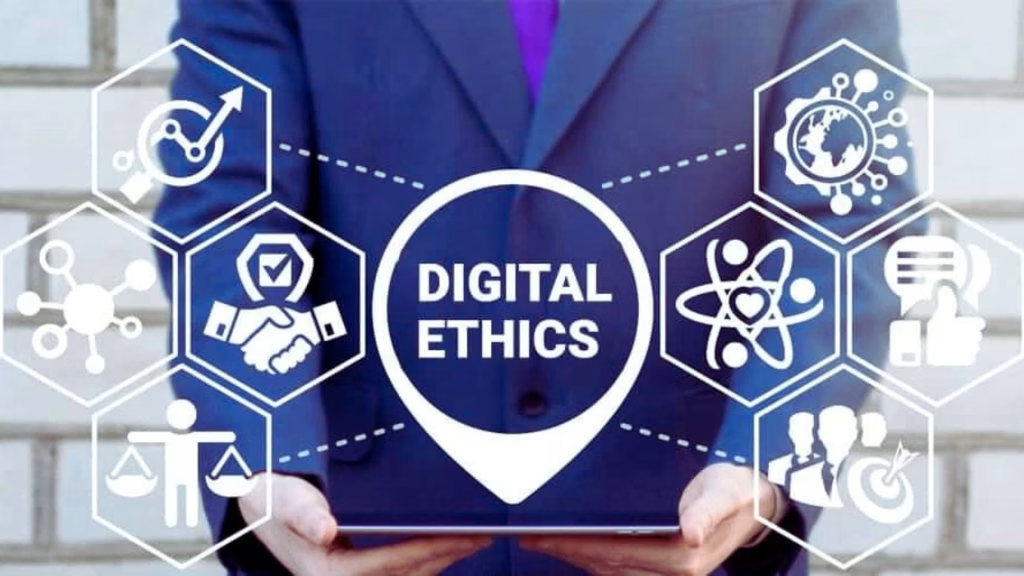
What Are Business Ethics in the Digital Age?
Business ethics refer to the principles and values that guide how organizations behave toward customers, employees, partners, and society. In the digital age, ethics extend beyond traditional conduct to include responsible technology use, data protection, transparency, and accountability in online environments.
Modern ethical considerations include:
- Data privacy and security
- Responsible use of artificial intelligence
- Honest digital marketing
- Fair treatment of employees in digital workplaces
- Transparency in online communication
Ethical behavior shapes trust in a world where digital actions are visible and permanent.
Why Integrity Matters More Than Ever
Integrity is the foundation of ethical business practices. It means acting consistently with values, even when shortcuts or unethical options appear profitable.
In the digital era:
- Customers can easily research brands
- Reviews and feedback spread quickly
- Mistakes become public instantly
- Trust can be lost overnight
Businesses that lack integrity face reputational damage that is difficult—and sometimes impossible—to repair. Ethical behavior, on the other hand, builds credibility and long-term loyalty.
Data Privacy and Consumer Trust
One of the most significant ethical challenges today is data handling. Businesses collect vast amounts of personal data, making privacy protection a critical responsibility.
Ethical data practices include:
- Transparent data collection policies
- Secure storage and protection
- Clear consent mechanisms
- Responsible data usage
When companies misuse or mishandle data, trust erodes rapidly. Ethical data management strengthens customer confidence and regulatory compliance.
Transparency in Digital Communication
Digital platforms allow businesses to communicate directly with audiences, but they also demand honesty and clarity.
Ethical transparency involves:
- Truthful advertising and marketing
- Clear pricing and terms
- Honest communication during crises
- Avoiding misleading content or manipulation
Consumers value authenticity. Transparent brands are more likely to build lasting relationships and positive reputations.
You Can Also Read: lean-startup-principles-growth
Ethics and Artificial Intelligence
Artificial intelligence and automation are reshaping decision-making across industries. However, these technologies raise ethical concerns around bias, accountability, and fairness.
Ethical AI practices require:
- Bias-aware data training
- Human oversight in critical decisions
- Clear accountability for outcomes
- Responsible automation
Integrity ensures that technology enhances human values rather than undermines them.
Digital Workplace Ethics
The rise of remote and digital work environments introduces new ethical responsibilities toward employees.
Key considerations include:
- Fair performance evaluation
- Respect for work-life boundaries
- Data monitoring transparency
- Equal opportunities in remote settings
Ethical leadership fosters trust, engagement, and loyalty in digital workplaces.
Reputation Management in the Digital Era
Reputation is one of a company’s most valuable assets. In the digital age, reputation is shaped by online reviews, social media conversations, and public perception.
Ethical businesses benefit from:
- Strong brand credibility
- Customer advocacy
- Positive word-of-mouth
- Reduced crisis impact
Digital insight and culture-focused platforms like redandwhitemagz highlight how integrity-driven organizations navigate ethical challenges, build trust, and maintain relevance in an increasingly transparent business landscape.
Compliance vs Ethics: Understanding the Difference
Legal compliance is not the same as ethical behavior. Laws often lag behind technological innovation, leaving ethical gaps.
Ethical businesses go beyond compliance by:
- Acting responsibly even when laws are unclear
- Considering long-term social impact
- Prioritizing fairness over loopholes
Integrity fills the space where regulations fall short.
Ethical Leadership in the Digital Age
Leadership sets the ethical tone of an organization. Leaders who demonstrate integrity influence company culture, decision-making, and public perception.
Ethical digital leaders:
- Model transparency and accountability
- Encourage ethical discussions
- Protect stakeholder interests
- Address mistakes openly
Strong leadership ensures ethics remain central as technology evolves.
Business Ethics as a Competitive Advantage
Contrary to outdated beliefs, ethics do not hinder growth—they support it. Consumers increasingly choose brands that align with their values.
Ethical businesses experience:
- Stronger customer loyalty
- Higher employee retention
- Reduced legal and reputational risk
- Sustainable long-term growth
Integrity differentiates brands in crowded digital markets.
Common Ethical Challenges Businesses Face
Even ethical organizations face pressure.
Common challenges include:
- Balancing profit and responsibility
- Managing rapid technological change
- Responding to public criticism
- Ensuring ethical consistency across teams
Addressing these challenges requires continuous evaluation and commitment.
Building an Ethical Digital Business Culture
Ethics should be embedded into systems, policies, and culture.
Best practices include:
- Clear ethical guidelines
- Ongoing training and education
- Transparent decision-making processes
- Open communication channels
Ethics thrive when they are practiced daily, not just stated in policies.
The Long-Term Impact of Integrity
Over time, ethical businesses build resilience. They adapt better to change, recover faster from crises, and maintain stronger stakeholder relationships.
Integrity creates:
- Trust-based growth
- Brand longevity
- Positive societal impact
In the digital age, trust is currency—and integrity earns it.
Conclusion
Business ethics in the digital age are more important than ever. As technology accelerates and transparency increases, integrity has become a defining factor in business success. Ethical practices protect trust, strengthen reputation, and support sustainable growth in a connected world.
Integrity is not just about avoiding wrongdoing—it’s about making responsible choices that benefit customers, employees, and society. In a digital economy driven by visibility and accountability, businesses that lead with ethics are not only doing the right thing—they are building the future.