Building a successful business no longer requires massive teams, large budgets, or years of planning. Many of today’s fastest-growing startups began with small teams that focused on efficiency, experimentation, and customer feedback. At the core of their success lies the lean startup methodology-a framework designed to help teams build smarter, reduce waste, and scale sustainably.
This article explains lean startup principles and how small teams can use them to achieve big growth in competitive markets.
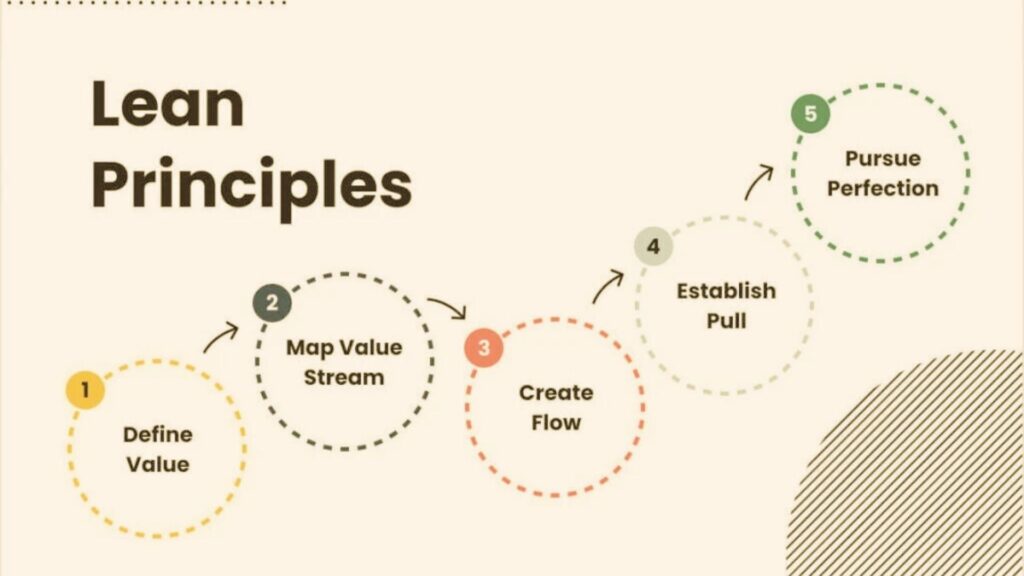
What Is the Lean Startup Methodology?
The lean startup methodology is an approach to building businesses based on rapid experimentation, validated learning, and continuous improvement. Instead of spending months or years developing a product in isolation, lean startups test ideas early and adapt based on real customer feedback.
The core goal is simple: build what customers actually want, not what you assume they want.
This approach is especially powerful for small teams with limited resources.
Why Lean Startup Principles Matter for Small Teams
Small teams face unique challenges, including limited budgets, time constraints, and fewer personnel. Lean principles help address these challenges by focusing effort where it matters most.
Key benefits include:
- Reduced financial risk
- Faster decision-making
- Better alignment with customer needs
- Higher adaptability to change
Lean startups turn constraints into advantages by staying focused and flexible.
The Build–Measure–Learn Feedback Loop
At the heart of the lean startup framework is the Build–Measure–Learn cycle.
Build
Teams create a minimum viable product (MVP)-a simplified version of the product that delivers core value.
Measure
The product is released to real users, and data is collected on how customers interact with it.
Learn
Teams analyze results to decide whether to improve, pivot, or stop the idea altogether.
This cycle repeats quickly, allowing teams to learn faster than competitors.
Minimum Viable Product (MVP): Starting Small
An MVP is not a finished product-it’s a learning tool. It allows startups to test assumptions with minimal investment.
Benefits of MVPs include:
- Faster time to market
- Lower development costs
- Early customer feedback
- Reduced risk of failure
For small teams, MVPs prevent overbuilding and help validate ideas before scaling.
You Can Also Read: future-of-work-models
Validated Learning Over Assumptions
Traditional business models rely heavily on forecasts and assumptions. Lean startups prioritize validated learning, which means making decisions based on real evidence.
Instead of asking, “Will this work?” lean teams ask, “What can we learn from this test?”
This mindset reduces ego-driven decisions and keeps teams focused on measurable progress.
Pivoting: Adapting Without Failing
One of the most misunderstood lean principles is pivoting. A pivot is not failure—it’s a strategic change based on learning.
Common types of pivots include:
- Targeting a different customer segment
- Adjusting pricing or revenue models
- Changing product features or use cases
Small teams benefit greatly from pivoting because they can change direction faster without heavy structural costs.
Customer-Centric Decision Making
Lean startups put customers at the center of every decision. Feedback is collected continuously through interviews, analytics, and testing.
This approach:
- Improves product-market fit
- Increases customer satisfaction
- Reduces wasted development effort
By listening closely to users, small teams build stronger, more relevant solutions.
Data-Driven Growth Instead of Guesswork
Lean startups rely on actionable metrics rather than vanity metrics. Metrics such as customer retention, conversion rates, and engagement provide meaningful insights.
Tracking the right data helps teams:
- Identify growth opportunities
- Improve product performance
- Allocate resources more effectively
Insight-driven content platforms like redandwhitemagz help founders and teams stay informed about lean growth strategies, startup trends, and data-backed decision-making through curated digital insights and future-focused analysis.
Lean Culture and Team Mindset
Lean principles are not just processes-they shape team culture.
A strong lean culture encourages:
- Experimentation without fear
- Transparency and accountability
- Continuous learning
- Cross-functional collaboration
Small teams with a lean mindset are often more innovative, resilient, and aligned.
Scaling the Lean Way
Growth doesn’t mean abandoning lean principles. In fact, lean thinking becomes even more important as teams scale.
Lean scaling focuses on:
- Automating only what’s proven
- Expanding based on demand
- Maintaining customer feedback loops
- Avoiding unnecessary complexity
This approach supports sustainable growth rather than rapid expansion followed by collapse.
Common Mistakes Small Teams Should Avoid
Even with lean principles, teams can stumble.
Common mistakes include:
- Ignoring customer feedback
- Measuring the wrong metrics
- Scaling too early
- Overcomplicating MVPs
Staying disciplined and focused is key to lean success.
Long-Term Benefits of Lean Startup Principles
Over time, lean startups benefit from:
- Stronger product-market fit
- Lower failure rates
- Faster innovation cycles
- Smarter resource allocation
These advantages help small teams compete with much larger organizations.
Conclusion
Lean startup principles empower small teams to achieve big growth by focusing on learning, agility, and customer value. By building MVPs, testing assumptions, and adapting quickly, startups reduce risk while increasing their chances of success.
In a fast-changing business landscape, the ability to learn and evolve matters more than size or funding. Small teams that embrace lean thinking are not just surviving-they are building scalable, sustainable businesses designed for long-term growth.